The Asphalt Shingle Roof Installation Process Explained Step by Step
People searching for asphalt shingle roof installation are typically looking to understand the process and find local contractors who can expertly handle the job.
Understanding the asphalt shingle roof installation process explained step by step can help property owners in the area make informed decisions about their roofing projects. Whether planning a new roof or replacing an aging one, knowing what to expect during each stage can ease concerns and ensure the work aligns with expectations. Property owners often explore this topic to better understand the scope of work involved, assess the quality of service providers, and ensure their home’s protection and curb appeal are prioritized. Local contractors who specialize in asphalt shingle roofing bring valuable expertise to each phase, ensuring the installation is performed correctly and efficiently.
Continuing to read about the installation process can reveal practical insights into how local service providers handle everything from preparation to finishing touches. This knowledge supports property owners in choosing the right professionals for their needs and understanding the importance of proper installation practices. With the right local contractors handling the job, homeowners can feel confident their asphalt shingle roof will be installed with attention to detail, durability, and long-term performance-key factors in safeguarding the property and enhancing its appearance.
- Asphalt shingle roof installation is needed when replacing an aging or damaged roof, and local contractors approach it by preparing the roof deck and selecting suitable shingles. New asphalt shingle roofing is often selected for homes undergoing renovations, with service providers ensuring proper underlayment and ventilation during installation. Roof replacement with asphalt shingles is common after severe weather damage, where local pros carefully remove old roofing materials before installing new shingles. Adding an asphalt shingle roof to a new construction project involves precise measurements and adherence to building codes, with local contractors managing the entire process. Re-roofing with asphalt shingles is performed to extend a roof’s lifespan, with service providers inspecting existing structures to ensure proper preparation before installation.
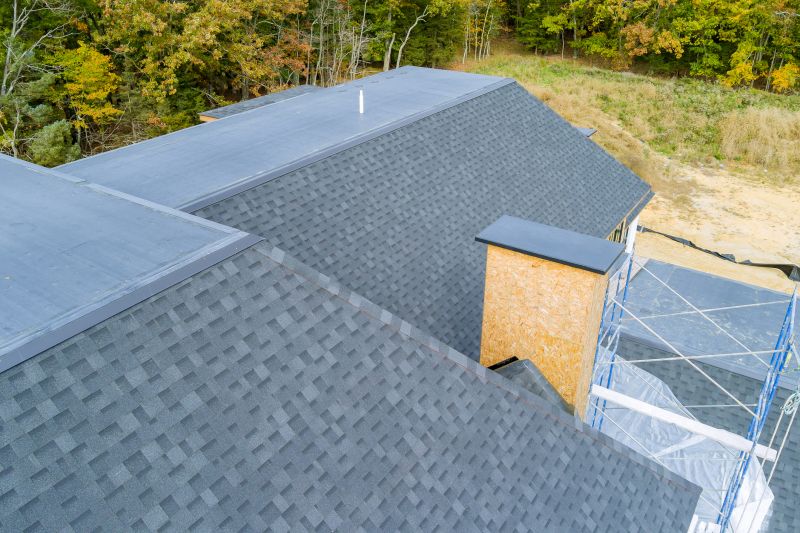
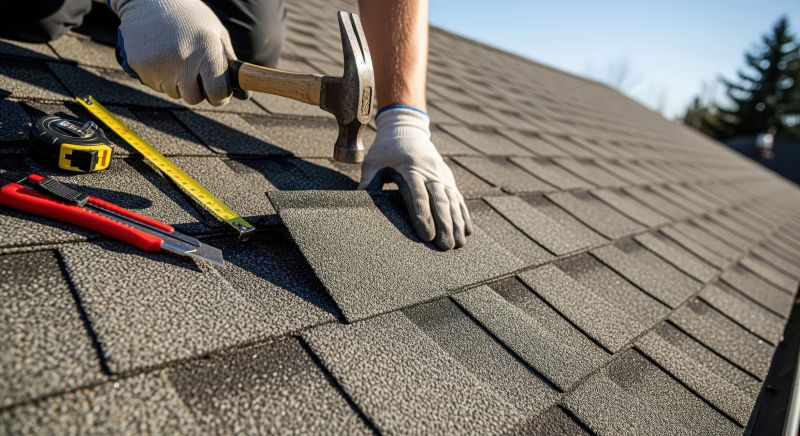

When searching for information about the asphalt shingle roof installation process explained step by step, homeowners are often looking to understand what to expect when replacing or installing a new roof. This topic relates closely to projects involving roof upgrades, repairs, or new construction, especially for those aiming to improve the durability and appearance of their property. Many property owners want to learn about the sequence of tasks involved, from initial preparation to final inspection, so they can better plan and coordinate with local contractors. Understanding this process helps homeowners identify potential challenges and know what questions to ask service providers to ensure their roofing project aligns with their needs.
The asphalt shingle roof installation process typically involves several key phases, each addressing specific problems or planning considerations. It begins with an assessment of the existing roof structure, identifying issues such as damaged decking or leaks that may require repairs before new materials are installed. Next, the existing roofing material is carefully removed, which can be necessary if the old shingles are deteriorated or incompatible with new layers. Proper preparation of the roof deck, including cleaning and repair, is essential to ensure a solid foundation for the new shingles. Local contractors play a vital role in managing these steps carefully, helping property owners understand how each phase contributes to the longevity and performance of the new roof.
The actual installation of asphalt shingles involves precise layering and fastening techniques to ensure durability and resistance to weather conditions. This process includes installing underlayment, which acts as a moisture barrier, followed by the placement of shingles in overlapping rows. Local service providers use specific methods to secure shingles properly, preventing issues like wind damage or water infiltration. During installation, attention is paid to details such as flashing around vents and chimneys, which are critical for preventing leaks. Homeowners should be aware that a well-executed installation not only enhances curb appeal but also extends the lifespan of the roof, making it a key investment for property protection.
Once the shingles are installed, the process concludes with a thorough inspection to confirm that all components are correctly placed and secured. This final step involves checking for any loose or missing shingles, ensuring flashing is properly sealed, and verifying that the roof meets quality standards. Local contractors may also perform minor adjustments or repairs at this stage to address any issues uncovered during inspection. Homeowners benefit from understanding this final phase, as it provides confidence that the installation has been completed properly and that their property is well-protected. Connecting with experienced service providers ensures the asphalt shingle roof installation process is carried out efficiently, resulting in a durable, attractive roof that withstands the elements.
Roof repair projects - similar skills in assessing existing structures and preparing surfaces are essential for both roof repairs and asphalt shingle roof installations.
Gutter installation services - require precise planning and tool use, paralleling the steps involved in installing a new roofing system.
Attic insulation upgrades - involve detailed planning and surface preparation, comparable to the preparation work in the asphalt shingle roof installation process.
Siding replacement projects - demand careful surface assessment and material handling, skills that are also key in roofing projects.
Skylight installation services - involve careful planning and precise sealing techniques similar to those used in roof installation steps.
Roof ventilation improvements - require understanding of roofing systems and proper tool use, aligning with the skills needed for asphalt shingle roof installation.
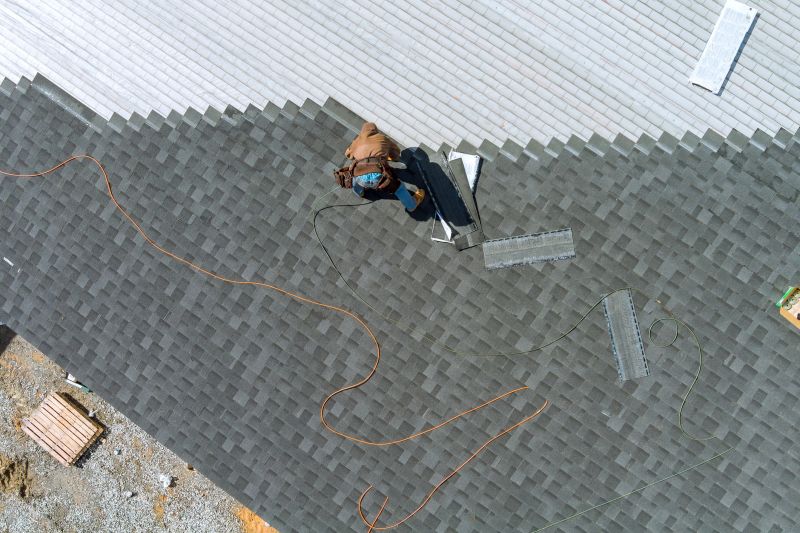
When comparing local contractors for asphalt shingle roof installation services, it is important to consider their experience with similar projects. Homeowners should inquire about how many asphalt shingle roof installations they have completed and whether they have worked on projects comparable in size and complexity. An experienced service provider is more likely to be familiar with the specific steps involved in the asphalt shingle roof installation process explained step by step, which can contribute to a smoother project and a more reliable outcome.
Clear written expectations are essential when evaluating potential contractors. Homeowners should seek detailed estimates or proposals that outline the scope of work, materials to be used, and the sequence of installation steps. Well-documented expectations help ensure everyone is on the same page and reduce the chances of misunderstandings. Reputable service providers often provide comprehensive written plans that clarify what to expect during each phase of the asphalt shingle roof installation process.
Reputable references and good communication are key factors to consider when selecting local contractors. Homeowners can ask for references from previous clients who had similar asphalt shingle roof projects, which can provide insights into the contractor’s reliability and quality of work. Additionally, effective communication-such as prompt responses to questions and clear explanations of the process-can make the project experience more transparent and less stressful. Choosing a service provider known for professionalism and open dialogue can help ensure the asphalt shingle roof installation process is handled smoothly and efficiently.
Property owners often search for the asphalt shingle roof installation process explained step by step when they are planning practical projects around their homes and businesses. Local pros provide Asphalt Shingle Roof Installation services for everyday jobs and straightforward project options.

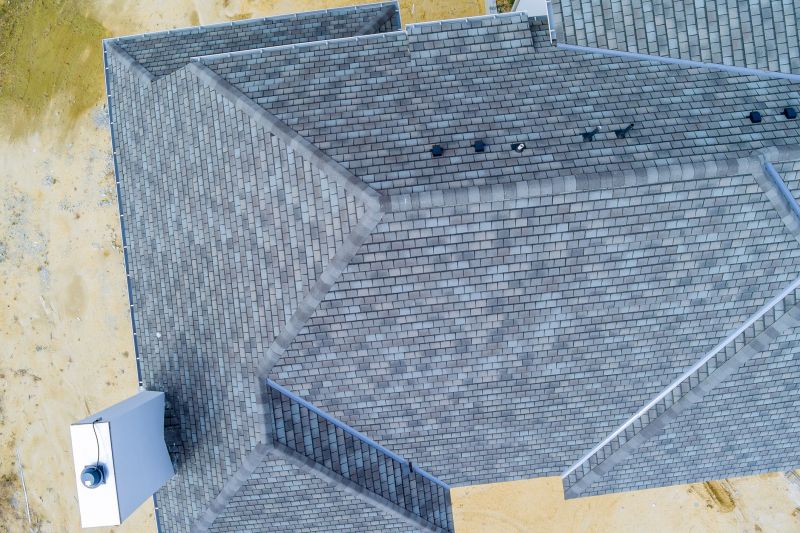
Understanding the asphalt shingle roof installation process explained step by step can help property owners in the area make informed decisions when considering a roof replacement or upgrade. Many homeowners and business owners seek this information to better understand what to expect during the project, especially when working with local contractors. Knowing the basic stages, such as removing the old roof, preparing the surface, installing underlayment, and laying down new shingles, can provide peace of mind and help ensure the work is done properly. Local service providers can handle each step efficiently, ensuring the new roof is installed correctly and reliably.
Property owners often look up this topic because they want to ensure their investment is protected and that the installation is completed professionally. Choosing experienced local contractors can make a difference in the quality and durability of the finished roof. By understanding the process, property owners can ask informed questions and better evaluate the services offered. Whether replacing an aging roof or installing a new one, connecting with local pros who understand the specifics of asphalt shingle installation can help ensure the project meets expectations and lasts for years to come.
What are the main steps involved in the asphalt shingle roof installation process explained step by step? The process typically includes removing the existing roof, preparing the roof deck, installing underlayment, laying down the asphalt shingles, and finishing with flashing and sealing. Local contractors follow these steps to ensure a proper and durable installation.
How do local service providers prepare the roof before installing asphalt shingles? They inspect the existing roof for damage, remove old materials if necessary, and ensure the roof deck is clean, smooth, and structurally sound to support the new shingles.
What materials are used during the asphalt shingle roof installation process explained step by step? Common materials include asphalt shingles, underlayment, flashing, nails or staples, and sealant. Local pros select quality materials to ensure the longevity of the roof.
How do professional contractors ensure the asphalt shingles are properly aligned and secured? They use specialized tools and techniques to align shingles accurately, secure them with appropriate fasteners, and apply sealant to prevent leaks, following industry best practices.
What is the final step in the asphalt shingle roof installation process explained step by step? The final step involves inspecting the entire roof for proper installation, sealing any vulnerable areas, and cleaning up debris to leave a finished, functional roof.
Understanding the roof structure - property owners can learn about their existing roof framework to ensure proper preparation before installation services from local contractors begin.
Selecting the right asphalt shingles - choosing durable and suitable shingle styles can help homeowners match their aesthetic preferences with the expertise of local pros.
Preparing the work area - clearing the surrounding space and securing access points allows local contractors to work efficiently during the asphalt shingle roof installation process.
Planning for future maintenance - discussing ongoing upkeep with local service providers can help property owners extend the lifespan of their new asphalt shingle roof.
If you are thinking about the asphalt shingle roof installation process explained step by step for a property, this guide is meant to help you understand this topic, the typical project types, and how different options might fit your plans.
When you are ready, you can use the quote form on this page to share a few details about your project. From there, local pros can review the basics and follow up with options that match what you have in mind.